
Wholesaler vs Distributor
Clear definitions, a side-by-side comparison, and practical guidance on choosing the right sales channel for your fashion brand.
 Joe Lauder·Founder, Kōbō·Updated Apr 22, 2026
In the fashion supply chain, wholesalers and distributors play distinct but sometimes overlapping roles. Understanding the difference between a wholesaler versus a distributor helps you choose the right sales channels, negotiate better terms, and build a distribution strategy that scales with your brand.
Quick Definitions
Before diving into the nuances, here are the core distinctions between these two intermediary roles in the supply chain.
Buys products in bulk from manufacturers and sells them to retailers. Takes ownership of inventory and operates on volume with lower per-unit margins. Generally does not have exclusive agreements and sells to any qualified buyer.
Acts as an intermediary between the manufacturer and retailers or wholesalers. Often holds exclusive territory agreements and provides additional services such as marketing support, logistics, warehousing, and after-sales service.
The Supply Chain Flow
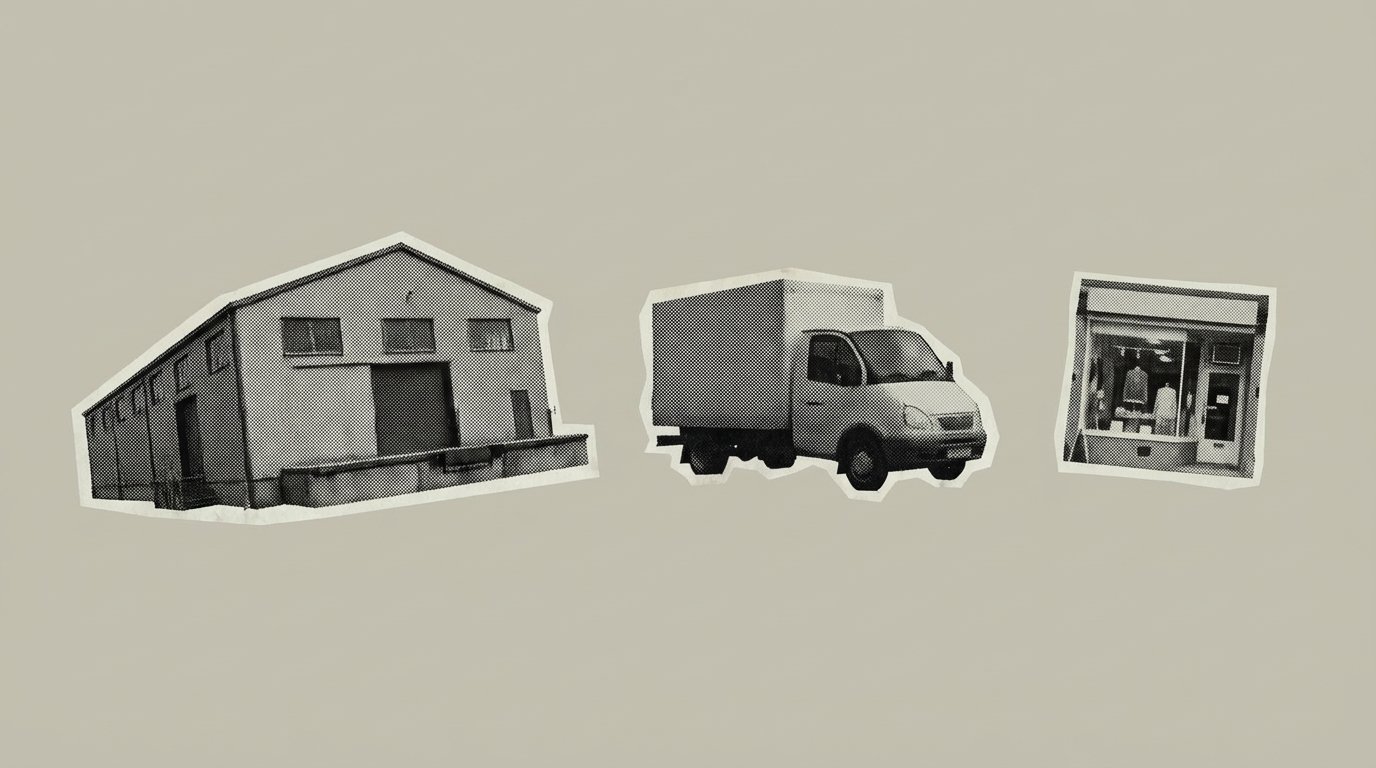
In a fully extended fashion supply chain, products move through multiple intermediaries before reaching the end consumer. Not every step is always present. Some brands sell directly to retailers, while others rely on a distributor who in turn supplies wholesalers.
A small brand producing locally might sell directly to boutiques, skipping both distributor and wholesaler entirely. A larger brand entering a new international market will typically appoint a regional distributor who manages the relationship with local wholesalers and retailers. The key is understanding which intermediaries add value for your specific situation.
Wholesaler vs Distributor: Detailed Comparison
The following table breaks down the core differences between a wholesaler and a distributor across the dimensions that matter most when choosing your go-to-market strategy.
| Factor | Wholesaler | Distributor |
|---|---|---|
| Definition | Bulk buyer who resells to retailers | Authorized intermediary managing market access |
| Role in supply chain | Bridges manufacturer/distributor to retailer | Bridges manufacturer to wholesalers and retailers |
| Manufacturer relationship | Transactional, purchase-order based | Strategic, contractual partnership |
| Inventory ownership | Yes, buys and holds stock | Yes, but may also operate on consignment |
| Territory / exclusivity | Rarely exclusive, sells broadly | Often exclusive to a region or market |
| Services provided | Storage, bulk-breaking, basic logistics | Marketing, logistics, training, after-sales |
| Typical margins | 20–50% markup on purchase price | 10–25% markup or commission |
| Customer base | Retailers, small businesses | Wholesalers, retailers, sometimes end users |
| Contract type | Short-term or per-order | Long-term distribution agreement |
| Fashion examples | FashionGo, Faire, LA Showroom | Regional brand agents, licensed importers |
The right intermediary does more than move product. They extend your brand's reach into markets you could not serve alone.
Margins at Each Level
Understanding the margin structure across the supply chain is critical for pricing your products profitably. Each intermediary takes a cut, and the total markup from factory cost to consumer price typically ranges from 4x to 10x depending on the category and positioning.
When to Use Each Channel
There is no one-size-fits-all answer. Your choice between working with wholesalers, distributors, or both depends on your brand's stage, resources, and growth ambitions.
Work Directly with Wholesalers When
Your brand has the internal capacity to manage multiple buyer relationships and you are focused on a single domestic market. Selling directly to wholesalers gives you higher margins because you eliminate the distributor layer. This works best when you have an established product line, reliable production, and a sales team or showroom that can handle inbound orders. Wholesale marketplaces like Faire and FashionGo have made it easier than ever for brands to connect directly with retailers and wholesale buyers without a distributor.
Appoint Distributors When
You are entering new geographic markets where you lack local knowledge, relationships, or logistics infrastructure. A distributor brings an existing network of retailers and wholesalers, handles local compliance and import regulations, and often provides marketing support tailored to the region. This is particularly valuable for international expansion where language, culture, and business practices differ significantly from your home market. The trade-off is lower margins in exchange for faster market access and reduced risk.
Use Both When
Many established fashion brands use a hybrid model. They sell directly to key retail accounts and domestic wholesalers in their home market while relying on distributors to manage international territories. This lets you maintain close relationships with your most important accounts while leveraging distributor expertise where it matters most.
The Manufacturer and Wholesaler Relationship
The relationship between a manufacturer and wholesaler is fundamentally transactional. A wholesaler places orders, takes ownership of inventory, and assumes the risk of selling it onward. For fashion brands that also manufacture their own products, the decision to sell through wholesalers directly or through an intermediary distributor is one of the most consequential go-to-market choices.
Direct Wholesale (Manufacturer to Wholesaler)
Selling directly from manufacturer to wholesaler gives you complete control over pricing, brand presentation, and account selection. You capture the full margin between your production cost and your wholesale price. However, this requires a dedicated sales team, order management infrastructure, and the logistics to fulfill orders across multiple accounts. For small to mid-sized brands, this typically means working with a showroom or sales agency that represents your brand to wholesale buyers.
Through a Distributor
When a distributor sits between the manufacturer and the wholesaler, the manufacturer trades margin for reach and simplicity. Instead of managing dozens of wholesale accounts, you manage one distributor relationship. The distributor handles account acquisition, order consolidation, credit risk, and often warehousing. This model is standard for brands entering markets in Asia, the Middle East, and parts of Europe where local market knowledge is essential for success.
Decision Framework
Use this checklist to evaluate whether a wholesaler, distributor, or direct-to-retail approach is right for your current stage and target market.
Frequently Asked Questions
What is the main difference between a wholesaler versus a distributor?
A wholesaler buys products in bulk and resells them to retailers, operating primarily on volume with no exclusive territory agreements. A distributor has a contractual, often exclusive relationship with the manufacturer and provides additional services like marketing, logistics, and after-sales support within a defined territory.
Can a company be both a manufacturer and wholesaler?
Yes. Many fashion brands manufacture their own products and sell wholesale directly to retailers, effectively combining the manufacturer and wholesaler roles. This vertical integration gives them full control over margins, brand presentation, and the customer relationship, but requires the infrastructure to manage production, sales, and fulfillment.
Do I need a distributor to sell wholesale internationally?
Not necessarily, but it helps significantly. A distributor handles local compliance, import logistics, language barriers, and market-specific buyer relationships. Without one, you need the internal resources to manage all of these functions yourself. Many brands start with a distributor in a new market and eventually transition to direct wholesale once they have established enough volume and local knowledge.
What margins should I expect when selling through a wholesaler versus a distributor?
Distributors typically take a 10–25% markup or commission, while wholesalers mark up 20–50% on their purchase price. Selling directly to wholesalers gives you higher margins than routing through a distributor first, but you take on more operational responsibility. The total cost of each channel should be evaluated against the volume and market access they provide.
How do I find reliable wholesalers and distributors for my fashion brand?
Trade shows like Premiere Vision, MAGIC, and White Milano are the traditional starting point for meeting potential partners. Online B2B platforms such as Faire, FashionGo, and JOOR connect brands with wholesale buyers digitally. For distributors, industry associations, trade consulates, and peer brand referrals in your target market are the most effective sources. Always check references, request a business plan for your brand, and start with a trial period before committing to a long-term agreement.
Joe's the founder of Kōbō Labs. Before this, he founded Satta, a fashion brand he scaled to sell internationally at Mr Porter, SSENSE, and Beams Japan. A decade of running his own brand — design, suppliers, production, the lot — is what Kōbō is built on.
Related Articles
Ready to manage your wholesale channels with Kōbō?
Track pricing tiers and purchase orders across channels, and launch products with increased speed and greater confidence.
Book a Discovery Call